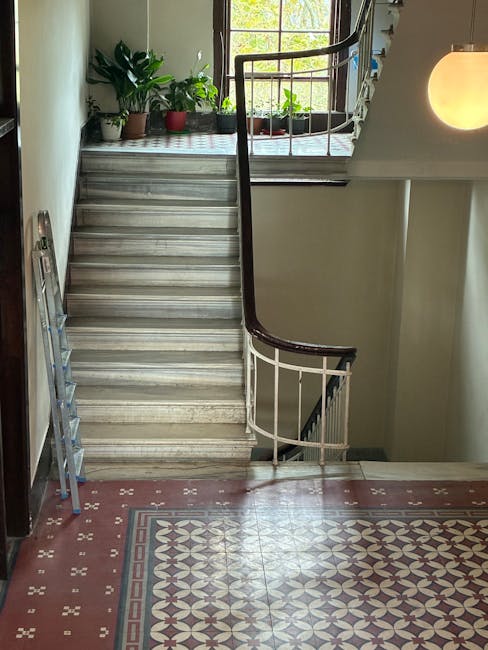
Junction Road Tufnell Park movers tips for narrow stair removals

If you have ever looked at a narrow staircase, a bulky sofa, and a moving day clock all at once, you already know the feeling: this is where a simple move becomes a careful puzzle. Junction Road Tufnell Park movers tips for narrow stair removals are not about fancy jargon. They are about getting large, awkward, or fragile items out safely, without dinging the walls, hurting your back, or turning the hallway into a stress zone.
In Tufnell Park, especially around older flats and compact stairwells, the difference between a smooth removal and a painfully slow one often comes down to preparation. This guide walks you through how narrow stair removals work, what to watch for, and the practical steps that make the whole thing feel manageable. A little planning goes a long way. Honestly, sometimes it saves the day.
Why narrow stair removals matter on Junction Road
Junction Road and the wider Tufnell Park area include plenty of homes where staircases were never designed with today's oversized furniture in mind. Think tight bends, low ceilings on landings, awkward banisters, and shared entrances that leave very little room to manoeuvre. That matters because a sofa, wardrobe, mattress, fridge, or piano is not just heavy; it is also unforgiving when the angle is wrong.
Narrow stair removals matter for three main reasons. First, they reduce damage risk. A single wrong pivot can scrape paint, chip plaster, or damage the item itself. Second, they reduce injury risk. A cramped stairwell changes how weight is carried, and that affects grip, balance, and communication. Third, they affect timing. What looks like a 10-minute carry can become a 40-minute operation if no one has planned for the corners.
There is also the neighbour factor. On busy residential streets, you may be sharing hallways, landings, and outside pavement space with other residents. That means moving quietly, keeping access clear, and not blocking the route longer than necessary. To be fair, nobody enjoys stepping around a wardrobe at 8am.
For many moves, the staircase is the bottleneck. Not the lorry. Not the parking. The stairs.
How narrow stair removals work in practice
A good narrow stair removal starts before anyone lifts anything. Professional movers usually assess the item dimensions, stair width, ceiling height, turning points, and any awkward obstacles such as radiators, handrails, wall lights, or sharp corners. If the item can be disassembled, that is often the safer route. If it cannot, the crew plans the carry based on angle, tilt, and team coordination.
In practical terms, the process tends to follow a pattern:
- Measure the item and the route. Check the height, width, depth, and any overhang.
- Identify pinch points. Landings, turns, low ceilings, and bannisters are the usual trouble spots.
- Protect surfaces. Covers, blankets, and edge protection help prevent damage.
- Assign roles. One person leads, one supports, and one watches clearances if needed.
- Move slowly and communicate constantly. Short instructions beat loud guessing every time.
That may sound obvious, but narrow stair removal is really about removing uncertainty. If people are improvising halfway down the stairs, the risk climbs fast. You will notice that the best teams are rarely the loudest. They are the ones who stay calm and make fewer sudden movements.
For smaller or lighter loads, a man and van setup can be suitable, especially if the job needs flexibility rather than a full-scale crew. For larger home moves, something more structured may be better, such as house removals or home moves, where the stair access is accounted for from the start.
Key benefits and practical advantages
When narrow stair removals are planned properly, the benefits show up in obvious and less obvious ways. The obvious one is fewer scuffs and fewer strained backs. The less obvious one is confidence. Once you know the route has been thought through, the rest of the move settles down a bit.
- Lower damage risk: careful handling reduces knocks to walls, bannisters, and furniture edges.
- Less physical strain: the correct lifting method and team size matter on stairs.
- Better timing: a planned route is usually quicker than repeated trial and error.
- Cleaner handover: shared hallways and stairwells are left tidier and easier for residents to use.
- Fewer surprises: you know in advance whether items need dismantling, repositioning, or storage.
There is also a commercial benefit. If you are comparing removal providers, one that asks detailed questions about the stair layout is usually showing good practice. That is a useful sign. It means they are not treating every move as identical, which is reassuring when the staircase is already doing its best to be awkward.
For people with mixed loads, combining packing support from packing and boxes or packing and unpacking services can make the whole process cleaner. Less loose clutter on the stairs. Less chance of something slipping when you least want it to.
Who this is for and when it makes sense
This advice is useful for anyone moving through a tight staircase, but it is especially relevant if you are in a flat conversion, basement property, top-floor apartment, or older house with a narrow stairwell. Junction Road has enough mixed housing stock that you can move from a roomy hallway to a very tight turn in a matter of metres.
It makes particular sense for:
- people moving large furniture in or out of compact flats
- students moving into or out of upper-floor rooms
- families shifting wardrobes, beds, and white goods
- renters with limited time between tenancy handovers
- businesses relocating through shared stair access in converted buildings
- anyone with delicate or valuable items that cannot be damaged on the way down
If the move is small, a student removals service may be enough. If you need something more flexible and hands-on, a man with a van or man with van option may fit the job better. For bigger loads, you may need a larger vehicle such as a moving truck or a dedicated removal van.
Truth be told, if the item is expensive, heavy, or sentimental, narrow stairs are not the place to wing it.
Step-by-step guidance
Here is the simplest way to approach a narrow stair removal without making your life harder than it needs to be.
- Measure everything first. Measure the widest part of the item, not just the obvious edges. Include handles, feet, and any protruding trim.
- Check the stair route in full. Look at the entrance, each landing, the stair width, and the final exit. A route is only as good as its tightest point.
- Clear the path completely. Shoes, rugs, picture frames, bins, loose cables, and plant pots should all be out of the way.
- Protect the building. Use blankets, covers, and edge guards where practical. A narrow stairwell can scrape on contact faster than you expect.
- Decide whether the item should be dismantled. Beds, tables, shelves, and some wardrobes are easier in parts. If a piece can safely come apart, that is often worth the extra few minutes.
- Use enough people. Not too few. That is a classic mistake. If an item is awkward, one extra set of hands can make a huge difference.
- Move slowly and call each step. Phrases like "up", "stop", "tilt", and "pause" work better than long explanations in a tight stairwell.
- Recheck before the final turn. Landings are where problems often show up. A piece that seemed manageable on the first flight may suddenly need a new angle.
A small but useful note: if you are dealing with heavy or fragile pieces, furniture removals can be worth considering because the handling plan is usually tailored to the item rather than just the address.
And if the move involves a particularly tricky item like a grand piano or upright, that is a different conversation entirely. In that case, specialist piano removals are the safer choice.
Expert tips for better results
The following tips come from the kind of real-world detail that makes a job easier in practice, not just on paper.
- Measure at the widest point and the tallest point. A flat surface can still catch on a bend if the angle is wrong.
- Remove detachable parts early. Legs, cushions, doors, shelves, and drawer units can change the whole game.
- Wrap edges before lifting. A blanket is quicker than a repair later. Simple, but true.
- Use grip, not panic. Gloves with decent texture help. Sweaty palms and glossy laminate do not mix well.
- Watch the ceiling line on turns. Many items snag higher up than people expect, especially on older staircases.
- Keep the route quiet and calm. One mover calling directions is better than three voices at once. It gets messy otherwise.
If the building layout is especially awkward, or if time is tight, a same-day slot may be useful. Not every move can be planned weeks ahead, after all. In those cases, same-day removals can help when the timing is the real issue, not just the stairs.
A tiny practical thing: take a quick photo of the stairwell before moving day. It sounds almost too basic, but it helps everyone visualise the obstacles before the van even arrives.
Common mistakes to avoid
Narrow stair removals tend to go wrong for predictable reasons. The good news is that most of them are avoidable.
- Guessing measurements. "It'll probably fit" is not a plan.
- Forgetting the landing turn. The final bend is often the hardest part.
- Ignoring surface protection. Bare walls and corners can suffer quickly in close quarters.
- Using the wrong team size. Too few people increases risk; too many can crowd the stairwell.
- Leaving clutter in the route. Even a small box can trip someone carrying a bulky item.
- Moving too fast. Speed does not help if the item clips the banister on the way down.
- Not planning for the exit. The front door, hallway, and pavement space matter too.
One of the sneakiest mistakes is assuming the furniture is the only problem. Sometimes the building is the real obstacle. A stairwell can narrow, ceiling heights can dip, and handrails can steal a few precious centimetres. That's where a careful plan earns its keep.
Tools, resources and recommendations
You do not need a warehouse full of equipment, but a few practical items make narrow stair removals much safer and calmer.
| Tool or item | Why it helps | Typical use |
|---|---|---|
| Removal blankets | Protects furniture and wall edges from scuffs | Wrapping sofas, tables, wardrobes |
| Gloves with grip | Helps maintain control on awkward lifts | Carrying bulky items down stairs |
| Straps or lifting aids | Improves stability and weight distribution | Heavy or oversized pieces |
| Furniture sliders | Useful for moving items into position before lifting | Hallways and level surfaces |
| Edge guards or corner protectors | Helps shield walls and corners | Tight stairwell turns and landings |
For people who want help from start to finish, it is worth looking at broader removal services rather than trying to piece everything together last minute. If you need help with the heavy lifting itself, removal van transport and practical loading support can keep the move moving.
And if storage becomes part of the plan because the staircase, timing, or property chain is not cooperating, storage can take a bit of pressure off the day. That breathing space is often underrated.
Law, compliance, standards and best practice
For removal work in the UK, the big themes are straightforward: safe handling, reasonable care, and clear communication. You do not need to memorise legislation to understand the practical point. If a move creates a foreseeable risk, the team should plan for it. If access is awkward, they should adjust the method.
Good practice usually includes:
- checking access in advance where possible
- using suitable lifting technique and enough staff
- protecting property and belongings
- keeping walkways and stairs reasonably clear
- being honest about items that may need dismantling or specialist handling
If you are booking a removal company, it is sensible to review policies connected to safety and process. A provider that is open about health and safety policy, insurance and safety, terms and conditions, and payment and security is usually giving you a clearer picture of how they operate.
That transparency matters. Not because every move is risky, but because narrow stairs leave less room for guesswork. In a tight space, professionalism shows up quickly.
Options, methods and comparison
Choosing the right approach depends on the size of the items, the stair layout, and how much help you want on the day. Here is a simple comparison.
| Approach | Best for | Pros | Trade-offs |
|---|---|---|---|
| DIY with friends | Small, light loads and short stair routes | Lower upfront cost, flexible timing | Higher risk of injury or damage if items are bulky |
| Man and van | Small to medium moves with limited access | Flexible, practical, often quicker to arrange | May not suit very large or specialist items |
| Full removal team | Home moves, bigger furniture, tricky access | More manpower, better route planning, less strain | Usually costs more than a basic carry-only job |
| Specialist item removal | Pianos, fragile antiques, oversized items | Best handling and equipment for difficult pieces | May require more planning and coordination |
For a straightforward flat move, flat removals can be a sensible fit. For larger or business-related jobs, office removals or commercial moves may be more appropriate, especially where stair access affects timing and loading order.
If you want to compare costs before committing, the right place to begin is the company's pricing and quotes information. That gives you a better sense of what is included, which matters more than people think.
Case study or real-world example
Imagine a two-bedroom flat off Junction Road with a narrow internal staircase and a sofa that looked perfectly manageable in the showroom. Once it arrived, though, the issue was not weight alone. The awkward part was the turn on the first landing, where the banister cut into the usable space.
The team handled it by checking the route first, removing cushions, wrapping the arms, and using a tilt-and-pivot method rather than trying to drag the sofa straight through. One person led from the lower side, one controlled the rear, and another watched the top edge so it did not catch the wall. It took a little longer than the owner expected, but the sofa came out intact and the stairwell stayed clean. No drama. Which, on moving day, is a gift.
A second example: a top-floor student move with a desk, mattress, and storage drawers. In that case, the smarter choice was a lighter man with van arrangement, plus a small amount of dismantling before the crew arrived. The whole job was simpler because the furniture was broken down into sensible pieces. The stairs stopped being the enemy.
Those are the sorts of choices that make narrow stair removals go well: plan early, reduce item size where you can, and do not force a carry just because it looks possible for the first few steps.
Practical checklist
Before moving day, run through this checklist. It is boring in the best possible way.
- Measure each bulky item, including handles and protruding parts
- Measure stair width, landing space, and door clearances
- Check whether furniture can be dismantled safely
- Clear hallways, stairs, and entry points
- Protect walls, corners, and bannisters where needed
- Confirm parking or loading arrangements for the vehicle
- Pack loose items so nothing rolls or falls on the stairs
- Make sure at least one person is calling the move clearly
- Keep drinks, coats, and everyday clutter out of the route
- Have a backup plan if an item cannot fit as expected
Expert summary: The safest narrow stair removals are rarely the fastest-looking ones at first glance. They are the ones where measurements, protection, team roles, and route planning are sorted before the first lift.
If you are still weighing up the best way to handle a move with tight access, speaking with experienced removal companies can help you decide whether the job calls for a small team, a fuller service, or something in between. And if your move is part of a larger house relocation, house removalists may be the better fit because they are used to coordinating the whole sequence, not just the staircase.
Conclusion
Narrow stair removals on Junction Road and around Tufnell Park are manageable when they are treated with respect. That is really the heart of it. Measure carefully, clear the route, protect the property, use the right people, and do not rush the awkward turns. Small details matter more here than in an ordinary straight hallway move.
The good news is that once you understand the process, it stops feeling like chaos and starts feeling like a controlled job. A bit of patience, a bit of planning, and the right moving support can make a tight staircase feel far less daunting. And that, on a busy moving day, is a relief you can actually feel.
Get a free quote today and see how much you can save.
When the boxes are stacked and the stairwell is finally clear, the move often feels a little lighter than you expected. That is usually the sign it was handled properly.
Frequently Asked Questions
What makes narrow stair removals so difficult?
Narrow stair removals are difficult because the item, the staircase, and the moving angle all have to work together. A piece may be heavy, but the real challenge is often the turn on the landing or the lack of headroom. One bad angle can stop the whole carry.
Should I dismantle furniture before moving it down narrow stairs?
Often, yes. If a bed frame, table, shelf, or wardrobe can be taken apart safely, it usually reduces risk and makes the move more controlled. That said, not every item should be dismantled, so it is worth checking whether it can be reassembled easily at the other end.
How do movers protect walls and bannisters?
Movers typically use blankets, padding, and careful positioning to reduce contact with surfaces. In tighter stairwells, good communication matters just as much as the protective material. A smooth carry with clear calls will usually do more than brute force ever could.
Can a sofa fit around a tight stairwell bend?
Sometimes it can, but it depends on the sofa's dimensions and the exact shape of the turn. Width is only part of the equation. The depth, height, and flexibility of the item matter too. That is why measuring the route first is so important.
Is a man and van service enough for a narrow stair move?
It can be, especially for smaller loads or a limited number of bulky items. For heavier or more complex furniture, a bigger team or a more complete removal service may be the safer option. It really comes down to the item and the staircase.
What should I measure before moving day?
Measure the widest and tallest parts of each item, then measure the stair width, landing space, and door openings. Don't forget handles, feet, and any bits that stick out. Those little details can be the difference between a clean fit and a stuck item.
Do I need specialist movers for a piano or very heavy item?
Yes, specialist handling is usually the sensible choice for a piano or similarly awkward heavy item. The weight distribution, risk of damage, and stair angle make this much more than a standard carry. Specialist piano removals are designed for that exact problem.
How can I make moving day quicker in a narrow stairwell?
Clear the route early, dismantle what you can, pack loose items properly, and keep one person in charge of directions. Also, make sure the vehicle can load without wasting time. The quicker the route is prepared, the quicker the actual move usually goes.
What happens if the item does not fit?
If an item does not fit, movers may try a different angle, remove more parts, or suggest a different route. Sometimes the answer is simply that the item needs to go by another method, such as storage or specialist handling. It's better to pause and reassess than to force it.
Are narrow stair removals more expensive?
They can be, because they often require more time, care, or people. But the cost depends on the overall job, not just the staircase. Good providers usually explain what affects the price so you can compare quotes fairly.
What if I only need help with one heavy item?
Then a smaller service may be enough. Furniture pick-up or furniture removals can suit a single piece, especially if the item is awkward or needs careful handling down stairs. The key is to match the service to the actual job, not the other way around.
How far in advance should I book?
If the move is simple, a little notice is ideal. If access is tight, the item is large, or the timing is fixed, booking earlier gives you more breathing room. That said, last-minute help can still be possible in some cases, especially where same-day removals are available.